
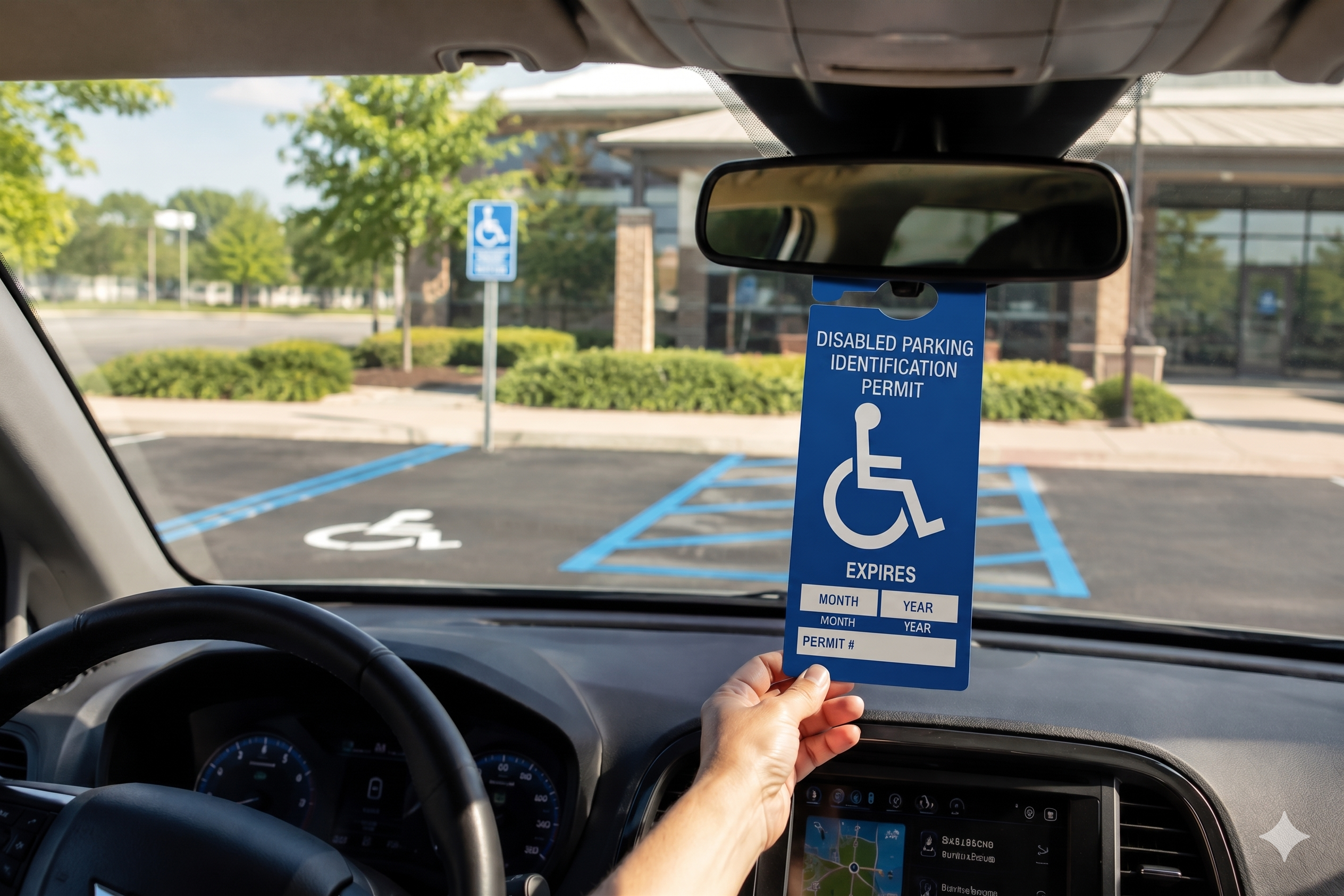
When mobility challenges become part of your daily life, even simple tasks like parking can feel physically demanding and emotionally exhausting. That’s where a disability parking placard in Michigan can make everyday travel a little less daunting. To get one, you need a licensed healthcare professional to certify your condition using Form BFS-103, which is then submitted to the Michigan Secretary of State. You can submit it by mail or in person, whichever is more convenient for you.
If you’re unsure where to begin, don’t worry. In this guide, we will walk you through the entire process step by step so you can understand the requirements, prepare the right documents, and apply with confidence.
Understanding Michigan Disability Placard Eligibility
Before starting the application process, you need to understand the eligibility criteria for the Michigan disability placard. In general, eligibility is based on the extent to which a medical condition affects daily mobility, because the goal is to help people who genuinely need easier access to parking and safer movement during daily activities. While many people may mistakenly believe that only wheelchair users qualify for it, the state recognizes several other medical conditions as well. That’s why you need a healthcare professional to evaluate your condition and certify that you meet the state’s eligibility requirements.
Qualifying Medical Conditions in MI
You may qualify for a Michigan disability placard if you:
- Struggle to walk 200 feet without taking a break.
- Experience pain, weakness, or exhaustion while walking short distances.
- Use mobility devices such as wheelchairs, walkers, crutches, or canes.
- Require adaptive transportation support for daily movement.
- Have lung or heart conditions that limit physical activity.
- Are legally blind or have severe visual impairments affecting mobility
Permanent vs. Temporary Parking Permits: Which Do You Need?
Michigan offers two kinds of disability placards, temporary and permanent, and understanding the difference between them before applying can make the journey easier for you. Choosing the correct type can help you avoid delays, paperwork issues, or having to reapply sooner than expected. The type of permit you need depends on how long your limitations are expected to last. Some people need a permit during recovery only, while some people live with ongoing conditions that affect their mobility for years.
Temporary Disability Placards
Temporary placards are intended for short-term mobility challenges and are valid for up to six months. They are often used after surgeries, injuries, temporary rehabilitation programs, or medical treatments that make walking difficult for a limited period of time.
Permanent Disability Placards
Permanent placards are designed for individuals with long-term mobility challenges or lifelong medical conditions. In Michigan, these permits are usually valid for up to 4 years and are renewed on the applicant’s birthday, making them better suited to ongoing medical conditions that affect daily mobility.
Like What you're reading? Subscribe to our Newsletter and get new updates directly to your inbox
Like What you're reading? Subscribe to our Newsletter and get new updates directly to your inbox
Step-by-Step Guide to the Michigan Disability Placard Application
Applying for disability placard in Michigan can feel overwhelming at first, but once you understand the process, it becomes much easier. The most important part is to ensure that your paperwork is filled out correctly, your medical certification is signed by a licensed healthcare professional, and you select the submission option that works best for you.
Step 1: Download Form BFS-103
Start by downloading the BFS-103 form, officially known as the Application for Flags, Placards, or Plates. This form can be completed for both temporary and permanent disability placards.
Step 2: Secure Medical Certification
The next step is to get your condition certified by a qualified healthcare professional, such as an MD, DO, Physician Assistant, Nurse Practitioner, or Optometrist. Healthcare advocates often recommend bringing up the request during a routine appointment instead of scheduling a separate visit.
Step 3: Submit Your Application to the SOS
You can now submit your completed application in person at a Secretary of State office or by mail to the Lansing internal bureau office. If you plan to visit the branch office, book an appointment in advance to avoid long lines. Renewals and replacements may be able to be submitted online.
Key Michigan Handicap Parking Rules to Follow
After receiving the Michigan disability placard, you must understand the rules that ensure accessible parking spaces are available to people who genuinely need them while minimizing misuse and safety concerns. Following the guidelines protects your parking privileges and also maintains fairness in the community.
How to Properly Display Your Placard
Your placard should only be displayed when your vehicle is parked in an accessible parking space. It should hang clearly from the rearview mirror so parking enforcement can see it easily. Once you begin driving, remove the placard immediately to avoid blocking your visibility.
Who is Allowed to Use the Permit?
The disability placard is not for the vehicle; it is only for the person facing mobility challenges. Family members and caregivers can legally only use it when they are either driving or helping the placard holder park the vehicle.
Renewing or Replacing a Lost Placard in Michigan
Managing your disability placard after getting the approval is just as important as the original application process. Over time, you may need to renew your placard or request a replacement if the card becomes unreadable, damaged, or lost. While that can sound stressful at first, Michigan’s process is generally designed to be fairly simple for existing placard holders. Understanding how renewals and replacements work can help you stay prepared and avoid interruptions to your accessible parking privileges.
The Renewal Window
For permanent placards, Michigan often allows simplified renewals during the first several renewal cycles. In many cases, you won’t need another doctor’s signature right away, which can make renewals feel much simpler and time-saving.
Replacing Damaged or Stolen Permits
If your placard is stolen, lost, or damaged, you can request a replacement through the Michigan e-Services portal. Most replacements can be processed without repeating the full medical application, allowing you to regain your accessible parking privileges quickly and without stress.
Maximizing Your Independence on the Road
Receiving your disability placard is an important step toward staying active, independent, and connected to the world around you. Having access to closer parking spaces can really make daily travel feel less exhausting and more manageable. But independence shouldn’t stop once you reach your vehicle.
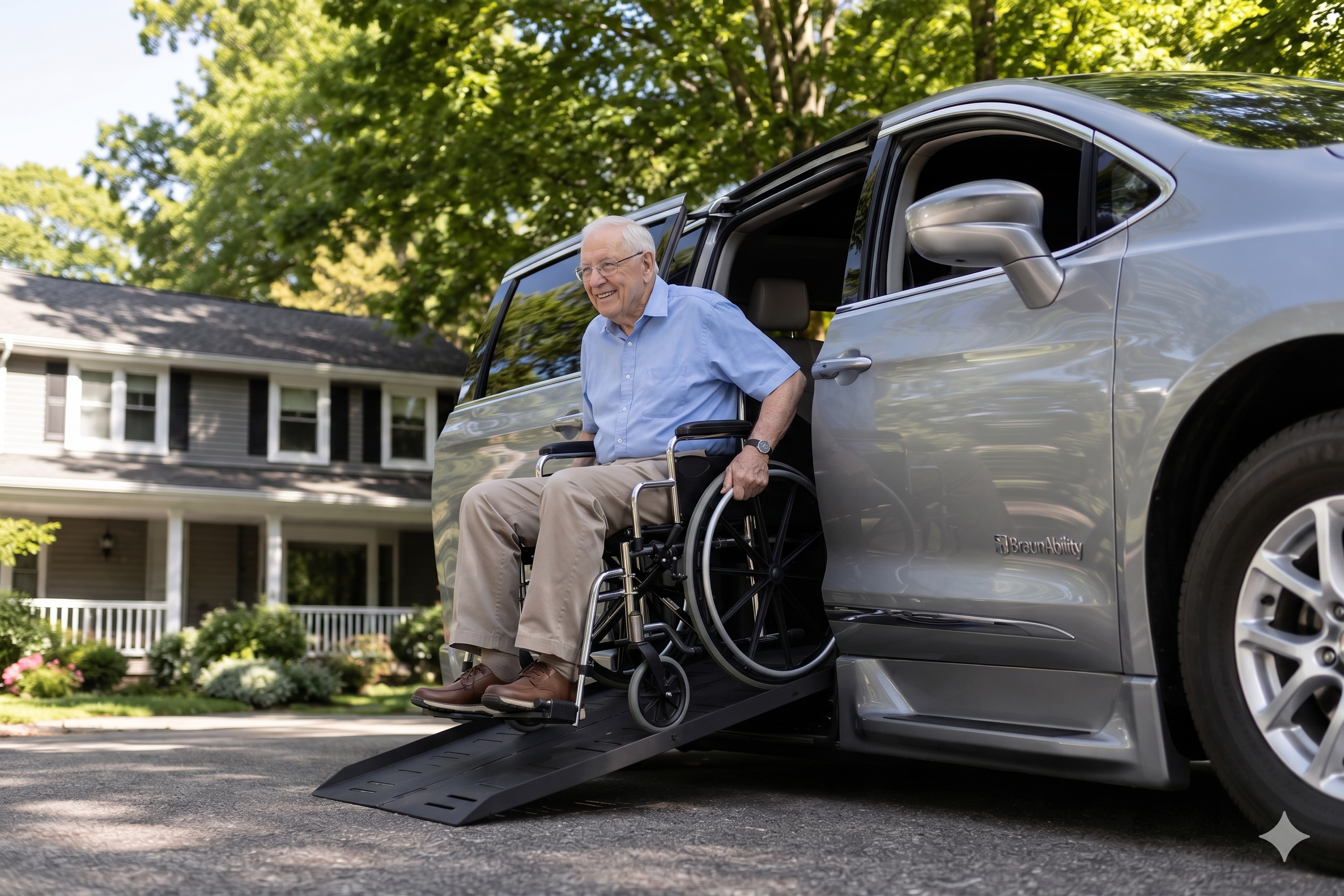
At Clock Mobility, we believe mobility should support every part of your journey, from parking to transportation itself. Vehicle adaptations such as side-entry ramps, rear-entry configurations, and lowered floor systems can make transportation significantly easier and safer for you. When accessible parking and adaptive vehicle solutions come together, they help you regain your confidence and support you every time you get on the road. Visit one of our four Michigan locations to find the mobility equipment and support you deserve!
OTHER ARTICLES YOU MIGHT BE INTERESTED IN