
You tell yourself it can wait. The lift is a little slower than usual, the battery takes longer to charge, or a small sound appears that wasn’t there before. Nothing seems urgent, so service moves to the bottom of your list. But small delays rarely stay small for long.
When routine maintenance is postponed, minor issues quietly grow into expensive repairs and unexpected downtime. What could have been a quick adjustment or simple part replacement can turn into a much larger problem that affects the reliability of your entire mobility system.
As spring and summer travel approaches, dependable transportation matters even more. The truth is simple – waiting rarely saves money. In most cases, it only increases your vehicle service cost and the inconvenience that comes with it.
Why Spring Is the Most Expensive Time to Delay Vehicle Service
Post-Winter Damage Hides Beneath the Surface
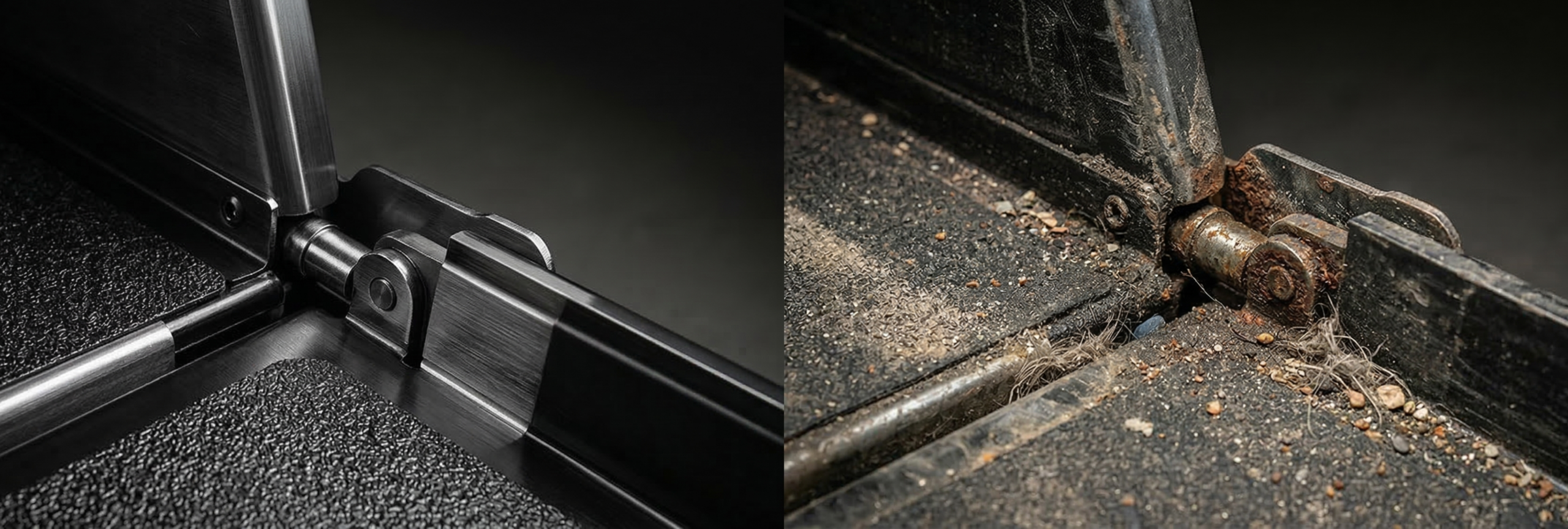
After winter ends, your vehicle may look perfectly fine on the outside, but a lot can be happening underneath. Months of road salt can slowly corrode parts under the vehicle, weakening components that support everyday operation. Moisture from snow and rain can also seep into electrical wiring and lift systems, which may lead to poor performance later on. Cold weather is particularly hard on batteries and hydraulic systems, often leaving them weaker by the time warmer weather arrives.
Travel Season Creates Appointment Bottlenecks
As the weather improves, more people start preparing their vehicles for road trips and daily travel. Service centers become busier, and appointment schedules fill up faster. When something suddenly stops working during this time, repairs often become more expensive because emergency service is in high demand. Waiting until the last minute can also mean longer delays before your vehicle is fixed.
Preventive Vehicle Maintenance Cost Is Lower Before the Rush
Scheduling service earlier helps you avoid those pressures. Routine inspections can catch small issues before they grow into larger failures. Simple adjustments or minor part replacements are usually faster and far less expensive than major repairs, helping you stay ready for the road ahead.
Minor Fix vs Major Repair: How Vehicle Service Cost Multiplies
Slow Lift Speed — A Warning Sign You Shouldn’t Ignore
You might notice your lift moving a little slower than usual and assume it’s nothing serious. Maybe it hesitates for a moment or takes a bit longer to reach its full height. In many cases, this happens because the system needs simple attention, like lubrication or a small adjustment to the hydraulic fluid level. When addressed early, this kind of maintenance is quick and manageable. But if the warning sign is ignored, the strain on the system continues. Over time, that small issue can lead to a failing pump or motor, turning a minor fix into a much larger repair.
Small Electrical Issues Turn Into Expensive Conversion Damage
Electrical problems often begin quietly. A loose wire or a battery that isn’t performing well can slowly stress the lift’s control system. You might notice a small flicker or a delay in response, but the system continues to work. If these signs go unchecked, the extra strain can damage sensitive components and lead to a complete system shutdown.
The Real Difference in Cost
The real difference appears in the timing. Preventive mobility van service keeps maintenance predictable and manageable. Waiting until something fails often means higher repair bills, unexpected downtime, and the added stress of towing and emergency diagnostics.
The Hidden Downtime Cost Most Owners Don’t Calculate
Missed Medical and Therapy Appointments
When you rely on your vehicle for mobility, reliability isn’t just convenient, it’s essential. A sudden breakdown doesn’t simply mean dealing with a repair. It can interrupt important parts of your routine. Medical visits, therapy sessions, or regular checkups often depend on your accessible transportation. When your vehicle is out of service, rescheduling these appointments isn’t always easy, and the disruption can negatively affect carefully arranged care plans.
Lost Work and Income
A vehicle problem can also affect work in ways people rarely think about beforehand. Caregivers may need to rearrange their entire day or miss work while trying to deal with repairs. For small business owners or independent workers, even a single missed meeting or job can mean losing valuable income or opportunities that do not easily come back.
Cancelled Spring and Summer Travel Plans
Breakdowns tend to happen at the worst possible time. A vehicle issue right before a planned trip can lead to cancelled reservations or lost deposits. Family visits and vacations may have to be postponed, and the stress of losing reliable transportation can affect everyone involved. Sometimes the emotional toll of that disruption is just as difficult as the financial cost.
How Neglecting Lift Lubrication Accelerates Conversion Wear
Friction Is the Enemy of Hydraulic Lift Systems
Your lift system works through a series of moving parts that are designed to glide smoothly with proper lubrication. When those components start running dry, the system has to work much harder than it should. You might notice the lift feeling heavier, moving slower, or sounding different than usual. That extra resistance puts stress on the motor and other key parts. Over time, the strain can wear down actuators and internal mechanisms much faster than expected. What could have been a quick lubrication service can gradually turn into costly repairs simply because friction kept building up.
Hydraulic Fluid Degradation Is Silent but Expensive
Hydraulic fluid also plays a critical role in how well the lift operates. As fluid ages or becomes contaminated, pressure inside the system can become unstable. Seals may start to crack, leading to small leaks that are easy to overlook at first. If the pump continues to operate under these conditions, it experiences greater stress, and the lifespan of the entire system shortens.
Conversion Equipment Is Not Standard Automotive Hardware
Mobility conversions are specialized systems designed to work precisely with your vehicle. As a result, regular maintenance is essential to protect these custom components and keep everything operating reliably.
Spring Service Check-Up: Your Best Defense Against Rising Vehicle Service Costs
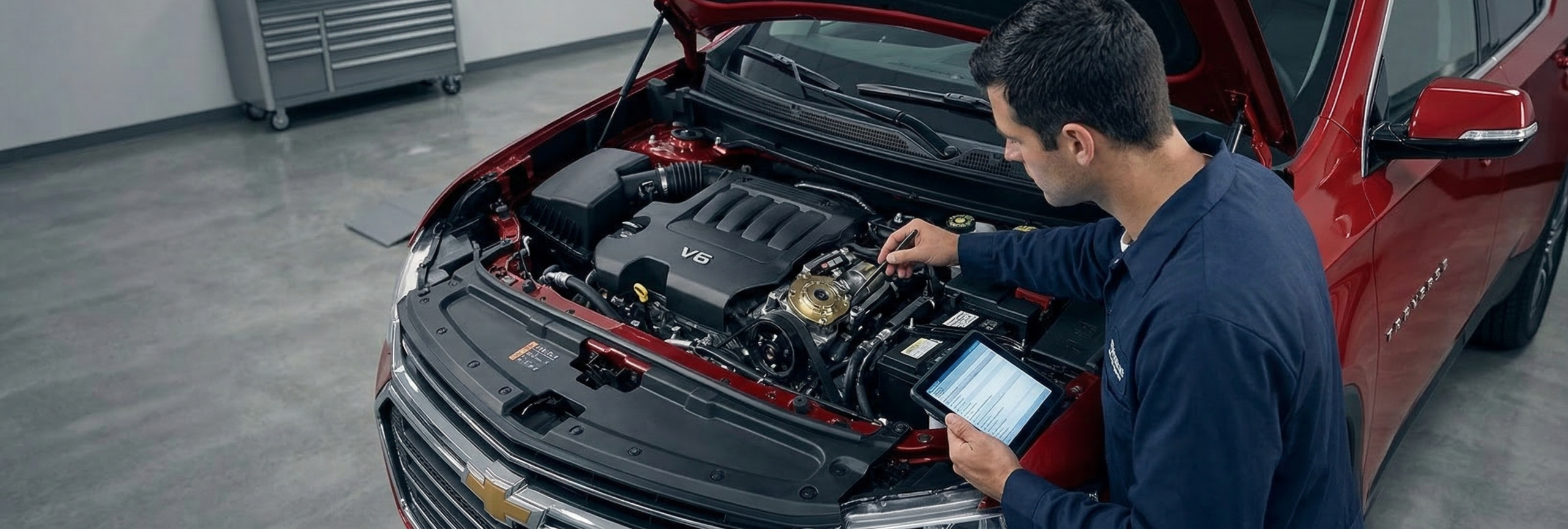
As winter ends, a spring inspection gives you a chance to see how your vehicle handled the colder months. A thorough check usually starts underneath the van, where technicians look for salt damage or early signs of corrosion. Brakes and suspension are also evaluated to ensure the vehicle continues to handle safely and comfortably. The battery is tested to confirm it still holds a reliable charge after months of cold weather. For mobility vans, the lift system is carefully cycled to check hydraulic movement, and the electrical system is reviewed to catch any wiring or control issues before they become bigger problems.
Early Booking Protects Your Travel Season
Scheduling service early helps you avoid crowded repair schedules later in the season. It also reduces the risk of sudden lift failures and gives you peace of mind before summer travel plans begin.
Like What you're reading? Subscribe to our Newsletter and get new updates directly to your inbox
Like What you're reading? Subscribe to our Newsletter and get new updates directly to your inbox

Why Certified Mobility Technicians Protect Your Investment
Mobility Conversions Require Specialized Expertise
When you rely on a mobility van, you depend on a system far more complex than that of a standard vehicle. Accessibility conversions involve custom floor modifications, integrated lift or ramp systems, and sensitive electronic controls that all work together. Every component must be properly aligned and calibrated to keep your vehicle safe, stable, and easy to operate. At Clock Mobility, we work with these systems every day, which means we understand how even small adjustments can affect the performance of the entire conversion.
Non-Certified Repairs Can Increase Vehicle Service Cost
If someone without mobility conversion experience attempts a repair, small mistakes can quickly become expensive ones. Misdiagnosing a lift issue, tightening bolts incorrectly, or overlooking how a modified floor structure distributes weight can lead to further damage. In some cases, improper repairs may even void manufacturer warranties, leaving you responsible for costs that could have been avoided.
Clock Mobility Certified Technicians Prevent Costly Mistakes
At Clock Mobility, we treat every vehicle as if it were our own. Our certified technicians are trained specifically in mobility conversions and accessibility equipment. We carefully calibrate lift and ramp systems, check critical components, and make preventive adjustments that extend the life of your equipment. Our goal is simple- to service your vehicle correctly the first time so you can rely on it every day.
How to Calculate the True Cost of Waiting for Vehicle Service
Simple Cost Comparison
When you think about delaying service, it’s easy to focus only on the immediate repair bill. But the real cost is often much bigger. A small preventive maintenance visit usually costs far less than an emergency lift repair after a breakdown. If your vehicle stops working unexpectedly, you may also face towing charges and diagnostic fees before repairs even begin. On top of that, there are the hidden costs people rarely calculate, such as missed workdays, canceled travel plans, and the stress of suddenly losing reliable transportation.
Quick Self-Assessment Checklist
Take a moment to think about your vehicle. Has your lift slowed down recently? Do you hear unusual sounds when it operates? Has your battery struggled since winter ended? Are you planning to travel this spring or summer?
If you answered yes to any of these questions, the cost of waiting may already be mounting
Frequently Asked Questions About Vehicle Service Cost
Is preventive maintenance really cheaper than repair?
Yes, it usually is. When you service your vehicle early, small issues are fixed before they can damage larger components. A quick inspection or adjustment often costs far less than replacing major parts after something fails.
How often should a wheelchair van be serviced?
A general service at least once a year is a good baseline. Because the lift system is used frequently and carries weight, it’s wise to have it checked every 6 months to ensure it’s operating safely.
Does winter increase wheelchair van maintenance costs?
It can. Road salt, freezing temperatures, and constant moisture can slowly cause corrosion and place extra strain on electrical components.
What happens if hydraulic lift maintenance is ignored?
Over time, the pump works harder, fluid can become contaminated, and the entire lift system may eventually require a costly replacement.
Schedule Your Essential Spring Service Appointment Today with Clock Mobility
If your mobility van supports your daily life, taking care of it before problems appear is one of the best decisions you can make. At Clock Mobility, we see every day how small maintenance checks prevent major repairs later. When you schedule service early in the season, you avoid the rush that comes as travel plans increase and service calendars fill up.
A spring inspection helps protect your lift, electrical systems, and conversion equipment from wear that quietly builds up over winter. More importantly, it keeps your vehicle dependable when you need it most.
OTHER ARTICLES YOU MIGHT BE INTERESTED IN