
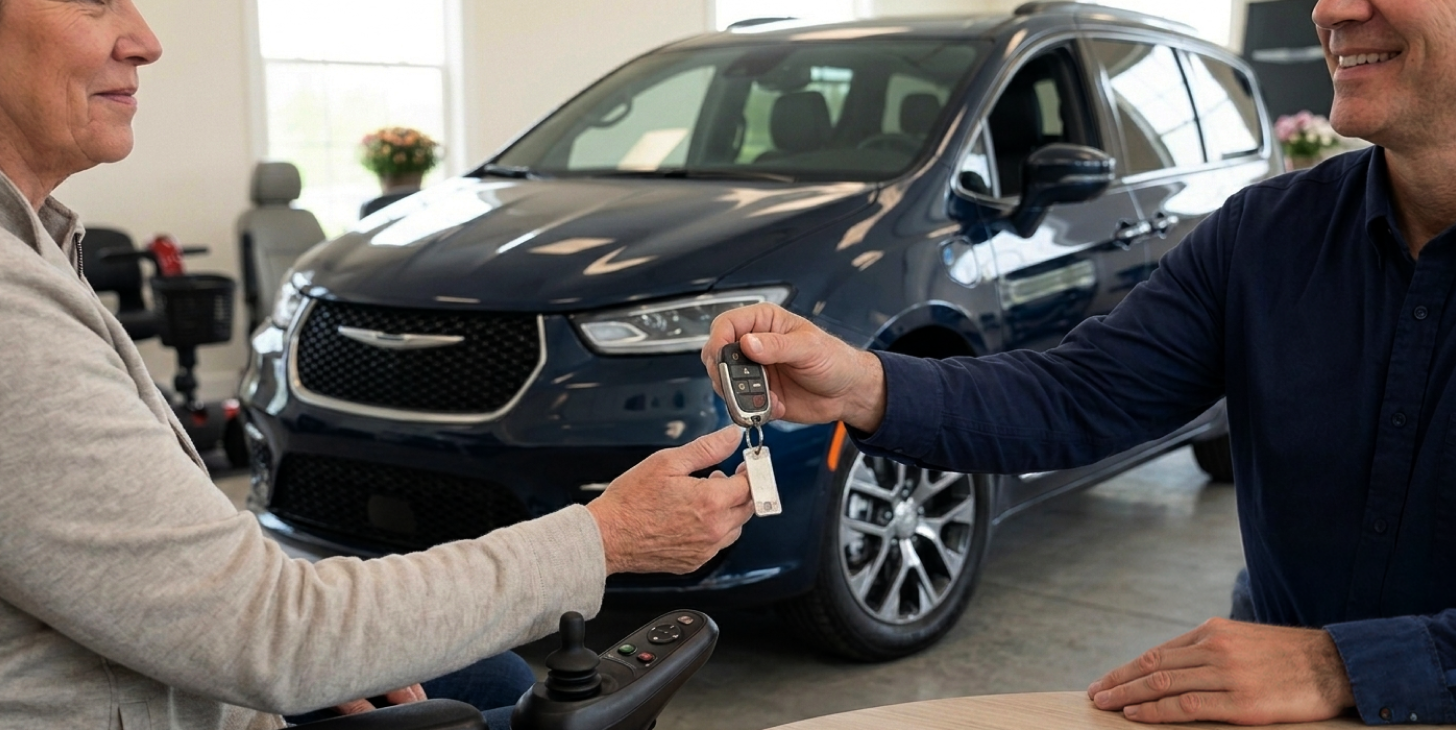
Spring is when life starts moving again. Nature comes alive, making you want to plan road trips, family visits, and long-overdue upgrades to your mobility setup. If you’ve been thinking about trading in your wheelchair van, this is the moment to act, not wait. You’re stepping into peak season, when demand naturally rises, and buyers are actively looking for reliable options.
In 2026, that demand is even stronger, with more families searching for quality pre-owned vans that balance affordability and trust before summer travel begins. That puts you in a powerful position. With the right timing and a few smart moves, you can turn your current van into a stronger trade-in offer and make your next upgrade feel even more within reach.
Why Spring is the Strategic Window for Trade-ins
Spring puts you right in the middle of a sweet spot where timing works in your favor. By April, people have a clearer picture of their finances after tax season, and that often means they’re finally ready to upgrade their mobility setup before summer plans kick in. You’re not just listing a vehicle, you’re stepping into a market that’s already active and motivated. Families are planning trips, caregivers are looking for reliable solutions, and demand naturally picks up through Q2.
At the same time, dealerships are feeling that pressure too. Instead of relying on auctions, which can be unpredictable, they prefer trade-ins sourced directly from consumers. It’s faster, more reliable, and often more cost-effective, which gives you more leverage than you might expect. When your van fits what dealers need, you’re no longer just selling—you’re helping them fill inventory at the right moment, which can translate into a stronger, more competitive trade-in offer for you.
Step 1: Documenting the “Total Solution” (Maintenance & Paperwork)
You want to start by showing that your van isn’t just a vehicle, it’s a complete mobility solution. Its value doesn’t lie solely in the engine or mileage, but also in the conversion. The ramp, lift, and accessibility features are what truly define how usable and dependable your van is, so you want to present both sides clearly.
This is where your paperwork becomes your strongest asset. When you have a clean, organized maintenance record, you remove uncertainty for the dealer. Verified service history can increase your van’s value by up to 15% by building immediate trust and reducing perceived risk.
Conversion Specific Records
Focus on documenting your ramp or lift maintenance first. If you’ve kept records of inspections every six months, you’re already aligned with what most experts consider the gold standard. It shows consistency and care where it matters most.
Chassis Maintenance
Timely oil changes, brake inspections, and tire rotations might feel basic, but together they tell a powerful story. You’re showing that your van hasn’t just been used, it’s been properly maintained, and that’s exactly what helps you justify a stronger trade-in value.
Step 2: Restoring the “Like-New” Experience
This is where you shift from just having a well-maintained van to making it feel right the moment someone sees it. You’re not just trading in a vehicle; you’re creating an experience that tells the dealer this van has been cared for inside and out.
Professional Detailing vs. Home Cleaning
You might be tempted to handle the cleaning yourself, and that’s a good start, but professional detailing can take things to a different level. Mobility vans have areas that are easy to overlook, such as ramp tracks, hinges, and flooring, where dirt and buildup accumulate over time. A deep clean in these spots makes a noticeable difference. It’s not just about shine; it’s about showing that every part of the van, especially the functional areas, has been properly maintained.
Addressing the “Minor” to Gain “Major”
Small fixes can quietly boost your trade-in value more than you expect. Replacing a burned-out bulb, swapping worn wiper blades, or addressing minor scratches helps remove objections before they even arise. When everything works and looks right, it creates a sense of reliability that’s hard to ignore.
Specialized Equipment Check
Pay extra attention to the ramp and accessibility features. Make sure hinges are well-lubricated, and drainage holes are clear so everything operates smoothly. First impressions of the ramp are first impressions of the entire vehicle. When it opens effortlessly and looks clean, it instantly builds confidence, and that’s exactly the kind of detail that can work in your favor during a trade-in.
Like What you're reading? Subscribe to our Newsletter and get new updates directly to your inbox
Like What you're reading? Subscribe to our Newsletter and get new updates directly to your inbox
Step 3: Understanding the 2026 Market Appraisal
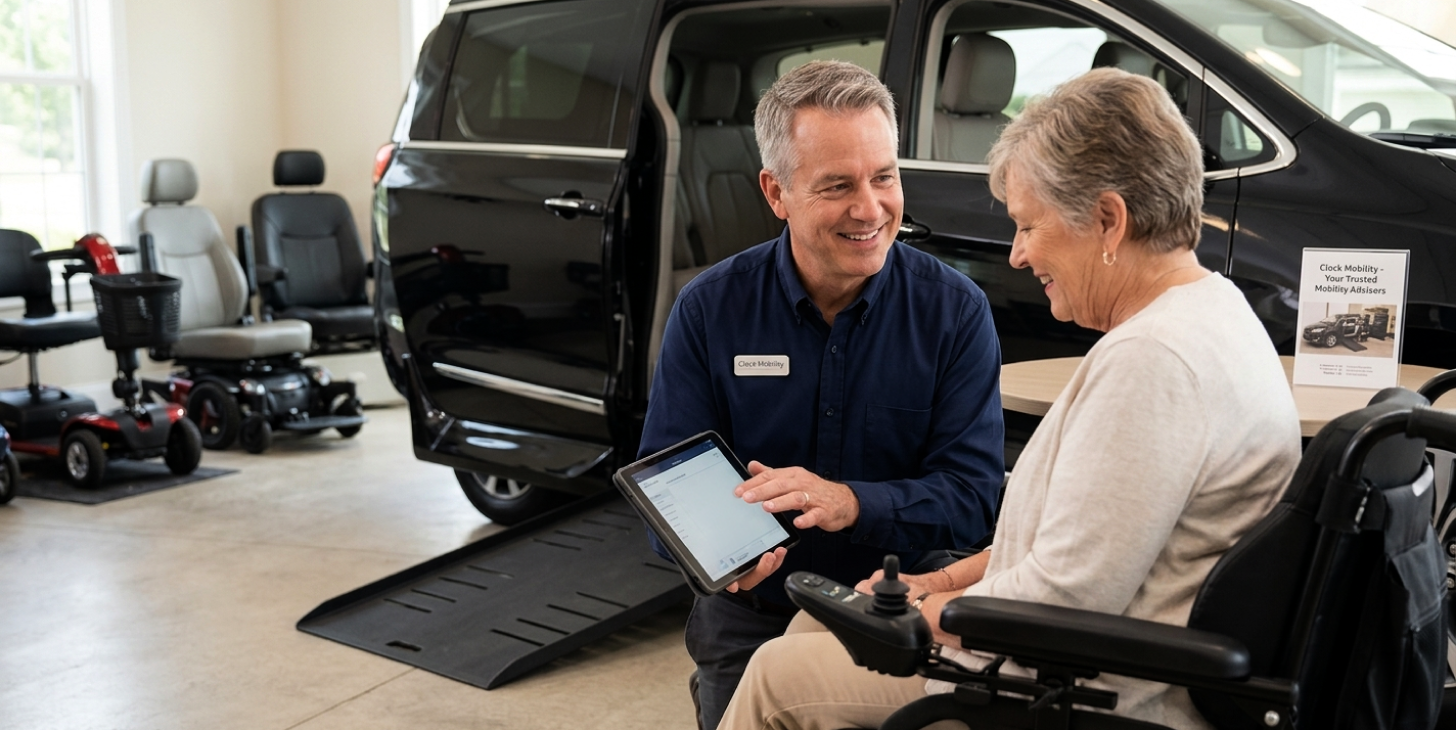
Once you’ve handled the presentation, it helps to understand how your van is actually being evaluated. When you walk into a dealership, you’re not guessing anymore; you know what they’re looking at and why it matters.
The Appraisal Checklist
A dealer is usually assessing a mix of reliability, usability, and resale potential. That starts with the brand conversion and the overall quality of the mobility setup, because they directly impact how easy a vehicle will be to resell.
Then comes the age of the technology and the mileage. If your van is under 100,000 miles, you’re already in a stronger position. It signals longer remaining life and fewer immediate concerns for the next buyer. When these factors line up, your van naturally becomes more attractive inventory.
Technology Upgrades
This is where 2026 trends start working in your favor. Modern safety features like rear cross-traffic alerts or backup assistance systems aren’t just extras anymore; they’re expected. If your van has them, make sure they’re highlighted. The same goes for updated tie-down systems or user-friendly accessibility controls. These details make daily use easier, and that’s exactly what buyers care about. When your van feels current and practical, it stands out, and that can quietly push your trade-in value higher without you having to negotiate as hard.
The Financial Advantage of Trading In vs. Selling Private
When you’re deciding between trading in or selling privately, it’s not just about the final number you might get; it’s about what the entire process costs you in time, effort, and peace of mind.
The Tax Benefit
One of the quieter advantages of a trade-in is how it can impact your overall purchase. In many states, the value of your trade-in is applied to the price of your new vehicle, which means you’re only taxed on the difference. You’re not just getting an offer for your current van; you’re potentially lowering the total cost of your next one. It’s a detail that’s easy to overlook, but it can make the trade-in route feel more financially efficient without you having to do anything extra.
The Time-to-Freedom Ratio
Then there’s the time factor, which matters more than most people expect. Selling a wheelchair van privately isn’t always quick. You’re dealing with a niche market, specific buyer needs, and a process that can stretch out for weeks or even months. With a trade-in, you skip all of that. You walk in with your current van and walk out already moving toward your next one. It’s a smoother transition, and sometimes that immediacy is exactly what you need to move forward without the wait.
Expert Tips for a Smooth Evaluation Day
When the evaluation day arrives, this is your moment to make everything you’ve prepared come together. You don’t need to overthink it; you just want to show up ready, organized, and confident in what you’re offering.
Gather the Extras
Start with the small things that make a big difference. Bring both sets of keys, any remote fobs, owner’s manuals, and paperwork you’ve collected along the way. These details signal that you’ve taken complete ownership of the vehicle, and nothing feels missing or uncertain. It might seem simple, but when everything is handed over smoothly, it builds trust right from the start and makes the process feel more professional.
The Walkaround
Be ready to walk them through your van, not just stand back and wait. When you confidently demonstrate the ramp, kneeling system, or any accessibility feature, you’re showing how well everything works in real time. That first impression matters more than you think. When the ramp opens effortlessly, and everything feels easy to use, it creates a sense of reliability that no explanation can replace. You’re not just answering questions, you’re showing them exactly why your van holds its value.
Conclusion: Your Summer Adventure Starts with a Spring Evaluation
When you look at the bigger picture, it really comes down to this: A few focused hours in the spring can completely change how your entire upgrade experience feels. When you take the time to organize your records, clean and restore your van, and understand how the market works, you’re not just preparing for a trade-in; you’re setting yourself up for a smoother, more confident transition.
At Clock Mobility, you’re not just another trade-in. You’re someone we want to assist in moving forward, without the stress and uncertainty that usually comes with it. When you walk in prepared, everything moves faster, feels easier, and works more in your favor.
And that’s the real goal. You’re not just trading in a van, you’re making space for what comes next. A better fit, a more comfortable ride, and a summer where you’re not thinking about upgrades anymore because you’re already out there living it. Contact us today!
OTHER ARTICLES YOU MIGHT BE INTERESTED IN