
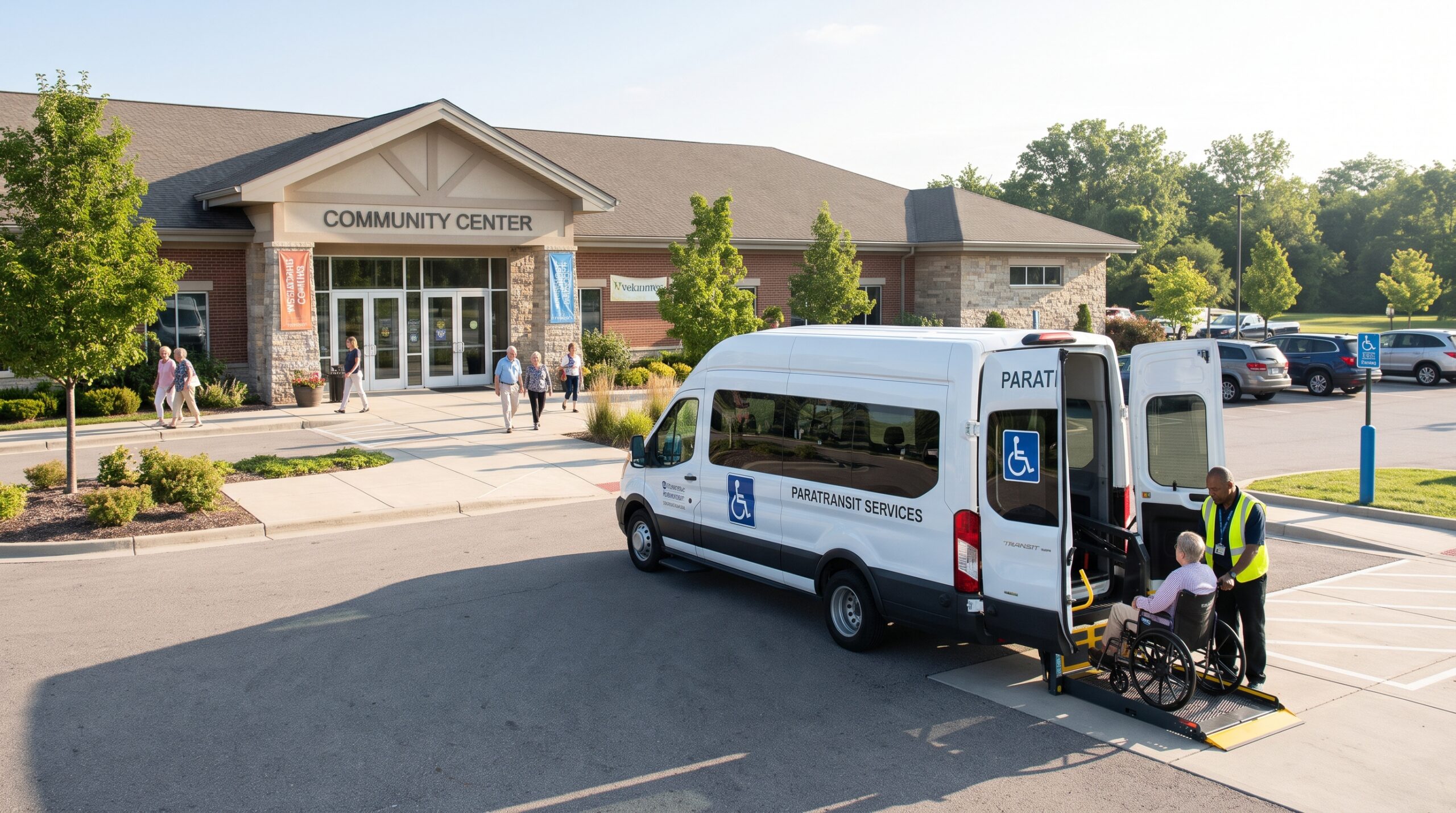
When you care for a congregation or operate a care facility, making sure everyone can travel safely and comfortably is an important part of your responsibility. Some of the people you serve may use wheelchairs, have limited mobility, or need extra assistance when getting in and out of a vehicle. That’s where commercial paratransit solutions can make a real difference.
With the right accessible transportation, you can help people attend church services, medical appointments, community activities, and other important outings without depending entirely on family members or outside transportation. Whether you’re arranging transportation for a small congregation or managing a busy care facility, choosing a reliable paratransit vehicle helps you make every journey more inclusive, convenient, and comfortable.
Expanding Community Reach Through Accessible Transportation
Supporting Senior Residents, Congregants, and Care Facility Outings
When you serve a church congregation or manage a care facility, transportation plays an important role in keeping people connected to their communities. For older adults and people with mobility challenges, attending a church service, visiting family, or joining community activities may not always be easy. Without reliable transportation, they can miss out on experiences that help them stay active and socially connected.
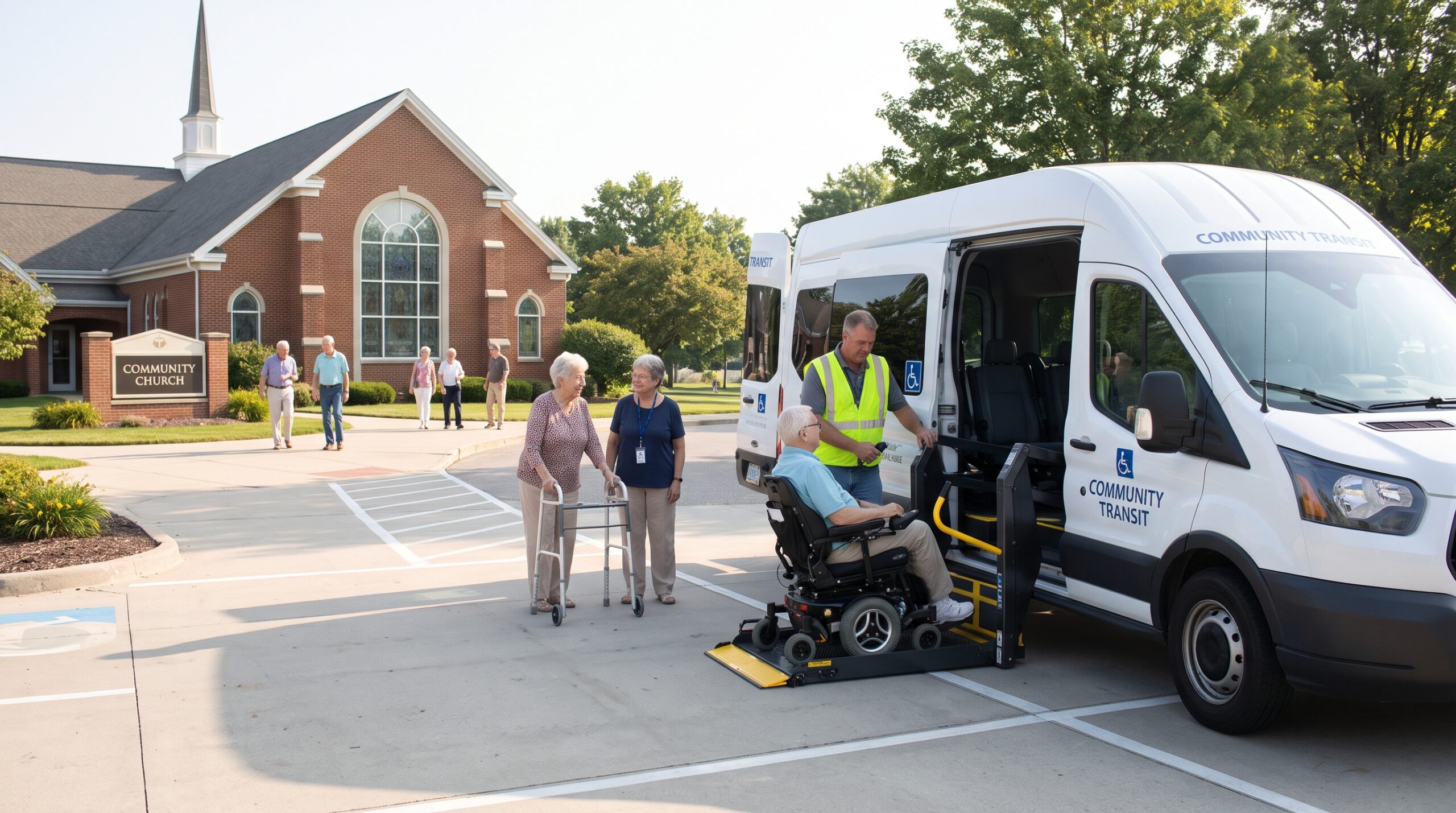
Accessible paratransit vehicles help you remove these barriers. With wheelchair-accessible vans and minibusses, you can accommodate passengers who use wheelchairs, walkers, or other mobility aids. Features such as ramps, wheelchair lifts, securement systems, and spacious interiors make group transportation more convenient and comfortable.
For churches, accessible transportation allows more congregants to attend regular services, prayer meetings, religious celebrations, and community events. You can also organize group outings and volunteer activities without making transportation a challenge for members with limited mobility.
If you operate a senior living community or care facility, these vehicles make it easier to arrange medical appointments, shopping trips, recreational outings, and family visits. Residents get more opportunities to enjoy activities outside their usual surroundings and maintain meaningful social connections.
Having your own accessible vehicle also gives you greater control over scheduling and passenger arrangements, reducing your dependence on outside transportation providers.
Ultimately, accessible transportation helps you build a more inclusive community. You’re not simply arranging rides; you’re making it easier for people to maintain their independence, participate in meaningful activities, and feel connected to the people around them.
Key ADA Features for Commercial Paratransit Vehicles
Commercial Lifts, Power Ramps, and Modular Seating Configurations
When choosing a commercial paratransit vehicle for your church or care facility, you need equipment that makes boarding and traveling easier for passengers with different mobility needs. Commercial wheelchair lifts and power ramps are two important features to consider.
Wheelchair lifts allow passengers to enter and exit the vehicle without transferring out of their wheelchairs. Power ramps provide a gradual entry path, making boarding easier for wheelchair users and people who need additional assistance. Your choice will depend on your vehicle design and your passengers’ mobility needs.
You should also consider modular seating configurations. Foldaway or removable seats let you adjust the interior layout based on how many wheelchair users and ambulatory passengers you’re transporting. This flexibility helps you make better use of available space without compromising passenger comfort.
Commercial-Grade Wheelchair Securement, Flooring, and Entry Clearance
Once passengers are inside, keeping them secure throughout the journey is equally important. Look for properly installed wheelchair tie-downs and occupant restraint systems that help keep wheelchairs stable during turns, acceleration, and sudden stops. Your staff should also receive proper training to use these systems correctly.
Flooring deserves attention, too. Slip-resistant, durable surfaces can make it easier for passengers and caregivers to move safely inside the vehicle. A clear, unobstructed entry area further reduces boarding difficulties.
Finally, check the vehicle’s door width, interior headroom, and aisle clearance. Adequate space accommodates different wheelchair sizes and lets passengers and caregivers move comfortably.
When comparing commercial paratransit vehicles, consider how all these features work together. Make sure your chosen vehicle meets applicable ADA requirements and supports safe boarding, secure travel, and accessible transportation for everyone you serve.
Like What you're reading? Subscribe to our Newsletter and get new updates directly to your inbox
Right-Sizing Your Fleet: Minivans vs. Full-Size Paratransit Vans
Evaluating Passenger Capacity, Driver Licensing Requirements, and Operating Costs
Choosing the right paratransit vehicle for your church or care facility comes down to understanding your regular transportation needs. You may only need to take a few passengers to weekly services or appointments, or you may regularly coordinate larger group outings. Comparing accessible minivans with full-size paratransit vans can help you find a vehicle that fits your routine without paying for capacity you rarely use.
Accessible minivans are a practical choice when you transport smaller groups. They are generally easier to maneuver through parking lots, residential streets, and busy community areas. If you have limited storage space or need a vehicle for everyday appointments and smaller outings, a minivan may be all you need.
Full-size paratransit vans offer more room for larger groups, multiple wheelchair positions, and additional seating. They can be particularly useful when you organize regular church outings, transport several residents at once, or need more flexibility for passengers with different mobility requirements.
You should also consider driver licensing requirements before making your decision. Depending on the vehicle’s seating capacity, weight rating, and applicable state regulations, your drivers may need a standard license or additional commercial driving qualifications. Check your local requirements and make sure your staff has the appropriate training before putting the vehicle into service.
Operating costs are another important consideration. While a larger vehicle may accommodate more passengers, it can also involve higher fuel, maintenance, insurance, and equipment expenses. A smaller vehicle may cost less to operate but could require multiple trips when transporting larger groups.
Consider how often you travel, how many passengers you typically carry, and what your budget allows. When you match your vehicle size to your actual transportation needs, you can build a fleet that remains practical, accessible, and cost-effective over time.
Partnering with Clock Mobility for Commercial Fleet Care
Commercial Leasing, Custom Layouts, and Michigan-Wide Maintenance Support
Managing commercial transportation becomes easier when you have a mobility partner who understands your organization’s needs. At Clock Mobility, we offer accessible vehicle solutions for churches, senior living communities, and care facilities across Michigan.
Whether you’re considering an accessible minivan or a full-size paratransit van, you can explore vehicle options, custom layouts, and mobility equipment suited to your transportation requirements. From wheelchair lifts and power ramps to securement systems and flexible seating configurations, we can help you consider the features that make your fleet more practical and accessible.
You can also explore commercial leasing options if purchasing a vehicle isn’t the right fit for your organization. Beyond vehicle selection, our Michigan-wide service and maintenance support helps you keep your accessible vehicles and mobility equipment in working condition.
Checklist: Evaluating Your Facility’s Paratransit Transportation Needs
Before investing in a commercial paratransit vehicle, take some time to understand what your church or care facility actually needs. The right choice depends on your passengers, transportation schedule, and the type of outings you regularly organize. Use this checklist to evaluate your requirements:
- Passenger capacity: How many people do you typically transport at once, including wheelchair users and ambulatory passengers?
- Mobility requirements: Do your passengers need wheelchair lifts, power ramps, additional entry clearance, or other accessibility features?
- Seating arrangements: Would removable or foldaway seats help you accommodate different passenger groups?
- Wheelchair securement: Does your vehicle have appropriate tie-downs and occupant restraint systems?
- Driver requirements: Do your staff have the necessary licenses and training to operate the vehicle safely?
- Budget and operating costs: Have you considered purchasing or leasing expenses, fuel, insurance, and regular maintenance?
- Maintenance and support: Do you have access to reliable servicing and mobility equipment support when needed?
Once you’ve worked through these questions, you’ll have a clearer idea of the vehicle size, equipment, and features that suit your facility. Taking the time to evaluate these details can help you make a practical investment that supports your passengers for years to come.
Making Community Transportation More Accessible with Clock Mobility
Reliable paratransit transportation helps you create a more inclusive environment where everyone can participate, regardless of their mobility needs. Whether you serve a church congregation or manage a care facility, choosing the right vehicle makes everyday outings and group transportation easier to manage.
At Clock Mobility, we’re here to help you find accessible commercial vehicle solutions that fit your organization’s needs. From vehicle selection and custom layouts to mobility equipment and ongoing maintenance support, our team can guide you. Get in touch with Clock Mobility today to explore your commercial transportation options and make accessibility a priority for your community.
.
OTHER ARTICLES YOU MIGHT BE INTERESTED IN