
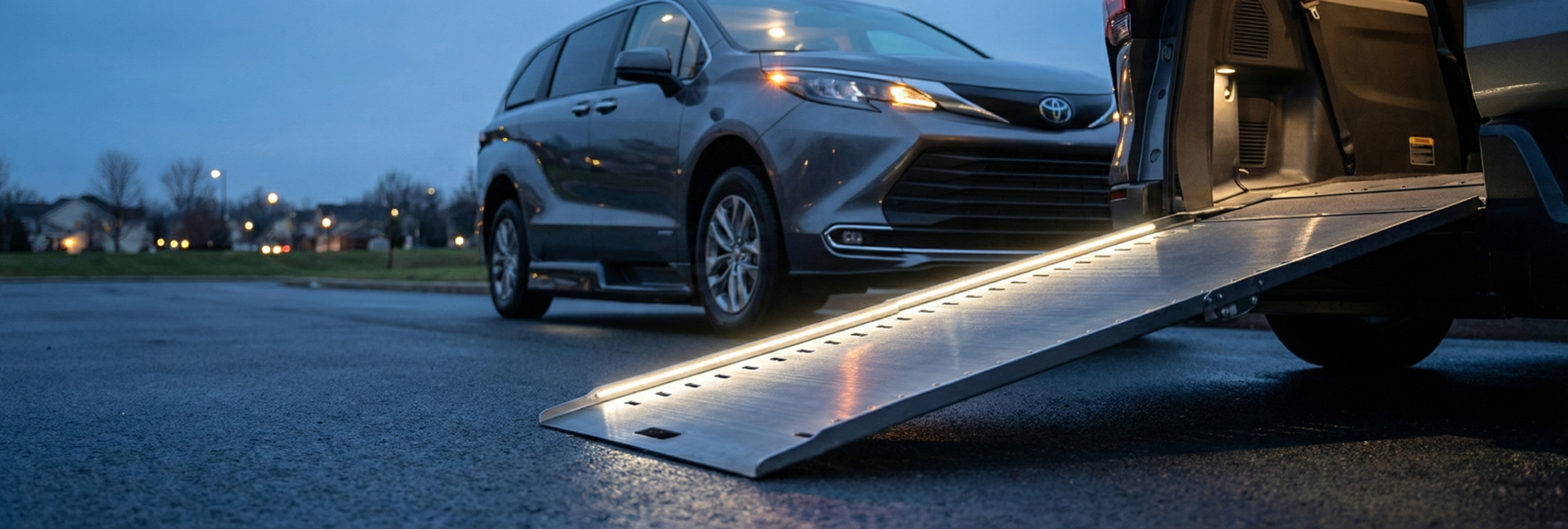
When people think about accessible vans, the first thing that comes to their mind is the lift or ramp. They often judge a van by these features, but if you have used an accessible van, you know that’s just the tip of the iceberg. A ramp is only as reliable as the systems that power, protect, and support it, and most people don’t think about those details until something goes wrong.
The truth is, small design features often make the biggest difference in daily use, comfort, and peace of mind. In this article, we’ll go beyond the obvious and look at five unexpected features that quietly improve the reliability of accessible vans, making every trip smoother, safer, and far less stressful.
What Reliability Really Means in an Accessible Van
Reliability Is About Consistency, Not Just Durability
When you rely on an accessible van, reliability isn’t just about how strong the parts are or how long the vehicle is supposed to last on paper. Of course, these things matter, but for you, real reliability means consistency, predictability, and trust. It means you can trust it on good days and bad days, in a hurry, in the rain, when you’re tired, and when you absolutely cannot afford a hiccup.
Reliability is about confidence. It’s the quiet assurance that when you press a button, it will function just as it’s supposed to, without you wondering whether it will work today.
Ease of Use Is a Hidden Reliability Factor
The other side of reliability that people rarely talk about is ease of use. When a van is designed to move smoothly, respond gently, and operate without extra force, everything lasts longer. You’re not forcing doors to open, slamming components into place, or struggling with stiff controls. That reduced strain doesn’t just protect your mind, body, and energy, but it also protects the vehicle itself.
Less physical effort means less mechanical stress. Systems wear down more slowly. Parts stay aligned longer. Small components don’t fail as quickly. Over time, that ease becomes reliability. The van doesn’t just survive, it stays dependable and accessible in a true sense.
1. Powered Seats and Swivel (Turney) Seats
How Powered Seats Reduce Daily Physical Strain
One of the most exhausting aspects of using an accessible van is getting into the van seat. Manually lifting, twisting, or tugging yourself can be difficult. However, powered seats can make that process easier. With them, you can adjust the seat with simple control buttons and reduce strain on your body.
Why Swivel Seats Improve Long-Term Reliability
Swivel seats rotate in a controlled, supported manner, rather than relying on sheer force. Controlled motion matters in an accessible van because it reduces strain on the hardware, prevents loose fittings, and minor mechanical difficulties that quietly accumulate over time. It makes your transfer smoother, protecting both you and the vehicle.
Who Benefits Most From Powered and Swivel Seating
You benefit most from powered and swivel seats if you transfer from a wheelchair to the driver’s seat, assist someone as a caregiver, or have limited upper-body strength. These seats make transfers safer, smoother, and more sustainable for everyday use.
2. Remote and Power Door Systems
Power doors look like a luxury feature at first, but once you use them, they quickly become essential. Think about tight parking spaces where you barely have room to swing your door open, or busy streets where you need to get in and out quickly. With a remote or power door system, everything becomes effortless as they take the pressure off you. You’re no longer wrestling with handles, angles, and gravity anymore. You’re in control with the push of a button.
Why Power Doors Matter in Real-World Conditions
Manual doors can be surprisingly difficult when space is limited or the weather is working against you. Rain, heat, or dust can make every extra second outside uncomfortable. Power doors open and close smoothly, reducing the time you’re exposed outside.
How Power Doors Protect Conversion Components
Smooth, controlled motion isn’t just easier for you, it’s also gentler on the van. Slamming doors or forcing them shut can wear out hinges, seals, and tracks. Over time, that stress can affect ramps, locks, and electronic systems. Power doors move reliably and consistently, which reduces the stress on these parts and extends their life.
Power Doors and Independent Driving
If you travel alone, power doors are your life-saver. They give you freedom as you don’t have to rely on someone else to help you manage heavy doors. That independence builds confidence, and doesn’t make you dread every trip.
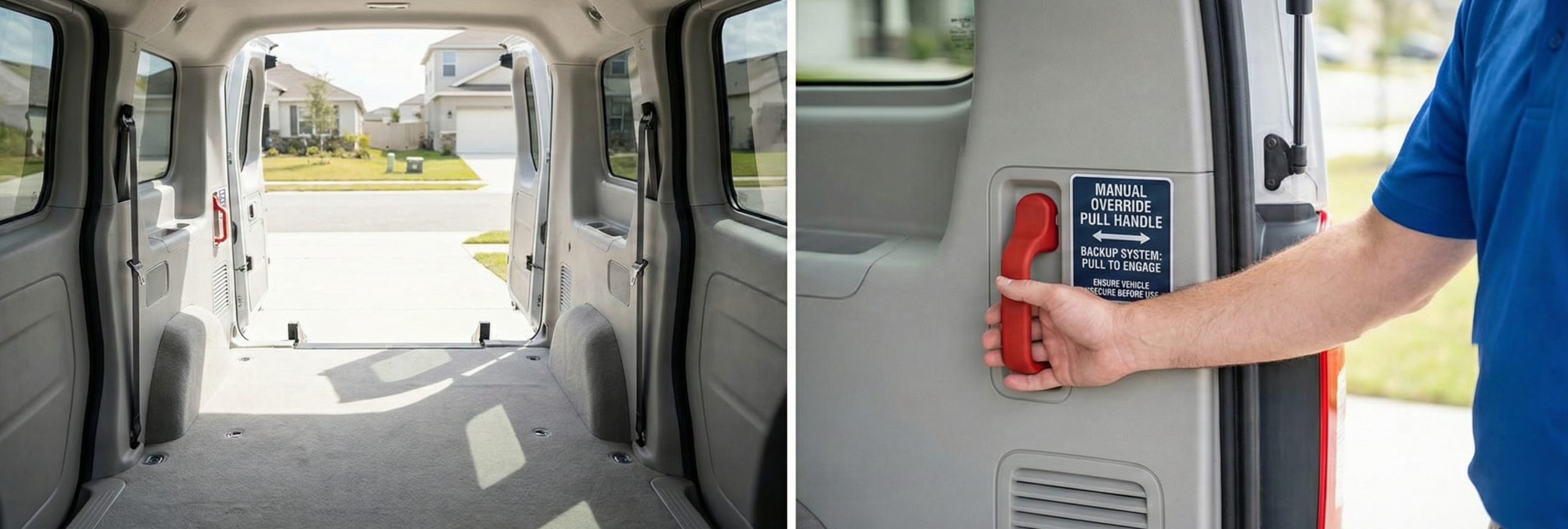
3. Kneeling Systems That Improve Ramp Reliability
You might not think much about angle until you’re pushing up a steep ramp, then you instantly feel it in your arms, in your wheels, and in that tiny hesitation before you move forward. What’s less obvious is how much that steep angle affects the van itself.
Why Ramp Angle Affects Reliability
A sharp incline puts extra pressure on everything from the ramp motor and hinges to the frame. Over time, that constant strain can make the system feel slower, noisier, or just… not as smooth as it used to be. It’s one of those small things that quietly turns into a big maintenance issue.
How Kneeling Systems Reduce Mechanical Stress
A kneeling system lowers the van closer to the ground, which flattens the ramp angle. It sounds simple, but it changes everything. The ramp doesn’t have to work as hard, the components stay aligned, and your entry is smoother, almost effortless on good days.
Everyday Situations Where Kneeling Systems Shine
Think uneven parking lots, sloped driveways, or city streets with terrible curb cuts. Instead of fighting gravity and bad design, you just roll in and out. No drama, no strain, just a van that feels like it’s working with you.
4. Backup Cameras and 360° View Systems
When a van is converted for accessibility, the way you see the world around the vehicle quietly changes. The floor is lower, the rear or side entry is different, and the van’s shape no longer feels like a standard car. You might notice that backing up or squeezing into a tight spot suddenly feels more difficult than it used to.
Accessibility Changes Vehicle Visibility
With rear-entry or side-entry conversions, blind spots can increase without you realizing it. The van’s shape and layout differ from those of average vehicles, and your usual visual cues don’t always apply. That’s where camera systems quietly step in and fill the gaps.
How Camera Systems Prevent Costly Damage
A backup camera or 360° view system helps you avoid those small, expensive mistakes like bumping a curb, scraping a pole, or misjudging a tight turn. Those minor hits can damage ramps, doors, and conversion parts that are costly to repair. Seeing everything around you in real time makes each movement calmer, smoother, and more precise.
Safety Benefits for Caregivers and Passengers
Cameras help you stay more aware of the van’s surroundings while you’re loading or unloading. You can spot people, obstacles, or uneven surfaces before they become a problem. That added visibility brings peace of mind, especially in busy parking lots or narrow streets.
5. Auxiliary Batteries for Lifts, Ramps, and Locks
When you rely on an accessible van, you’re not just using it to drive. You’re asking it to power ramps, doors, locks, docking systems, and sometimes more. All before you even turn the key. And that’s a lot to ask from a single battery that also has to start the engine.
Why the Main Engine Battery Shouldn’t Do Everything
Every time you deploy a ramp, open a power door, or use a docking system, you’re using a serious amount of energy. If all of that comes from the main battery, it can slowly drain it without you noticing, and one day, you might find yourself in an awkward position where everything is working fine, but the van won’t start because the battery is dead.
How Auxiliary Batteries Improve Reliability
An auxiliary battery takes that pressure off. It powers the accessibility systems independently, keeping them consistent and responsive without stressing the factory electronics. That separation makes the whole setup feel more stable and reliable, especially on busy days with multiple stops.
Warning Signs an Auxiliary Battery Is Missing
You might notice the ramp moving more slowly than usual, doors responding inconsistently, or the van needing jump-starts more often. Those little signs often point to a system that’s working too hard without dedicated backup power.
Like What you're reading? Subscribe to our Newsletter and get new updates directly to your inbox
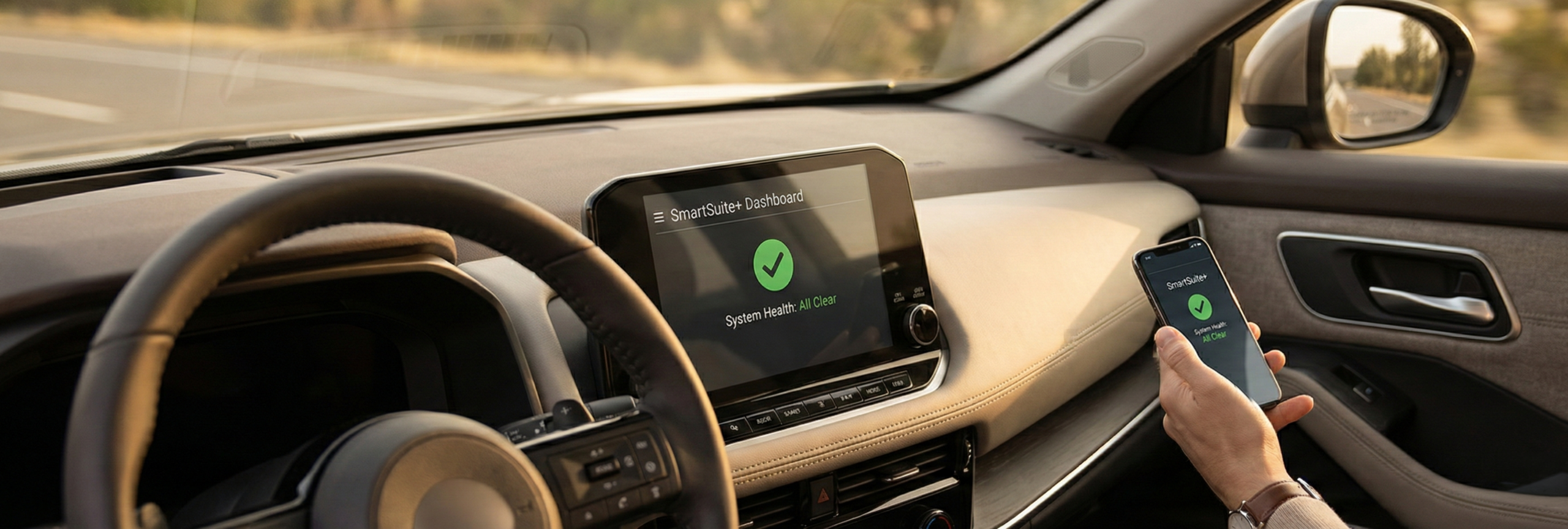
Bonus Features That Quietly Improve Accessible Van Reliability
Some of the most important features in an accessible van are the ones you barely think about because they just work. Docking and tie-down systems fall into that category. They don’t feel dramatic or high-tech, but they shape your daily experience in powerful ways.
EZ Lock System
With an EZ Lock system, securing a wheelchair becomes quick and easy. You’re not constantly wrestling with straps or adjusting angles. The chair locks in smoothly, and the floor doesn’t take the strain that comes from forceful, uneven anchoring. Everything feels calmer, more controlled, and stable.
Q’Straint Systems
Q’Straint Systems are built for everyday use, not occasional trips. When your chair doesn’t shift, slide, or strain the van’s structure, you avoid the slow, long-term damage that occurs over time. Less movement means less wear on the vehicle and less stress on you. It’s the kind of comfort you feel, even if you never consciously notice it.
Secure Your Ride With Clock Mobility
When you’re choosing an accessible van, you’re not just buying a vehicle—you’re investing in your freedom, safety, and daily peace of mind. At Clock Mobility, we make that process simple, honest, and tailored to your life. You get access to new and pre-owned wheelchair-accessible vans that are built to last, not just look good on paper.
You’re guided through options like power doors, kneeling systems, auxiliary batteries, EZ Lock, and Q’Straint setups, so you’re not guessing what you actually need. Whether you’re a driver, a caregiver, or a healthcare organization, you’ll find practical solutions that fit your routine.
From installing ramps and lifts to adding swivel seating and reliability-focused upgrades, everything is handled with care and experience. The goal is simple: help you feel confident, supported, and in control every time you hit the road. Contact us today!
OTHER ARTICLES YOU MIGHT BE INTERESTED IN